Information
Landmark: Onofrio's FountainCity: Dubrovnik
Country: Croatia
Continent: Europe
Onofrio's Fountain, Dubrovnik, Croatia, Europe
Overview
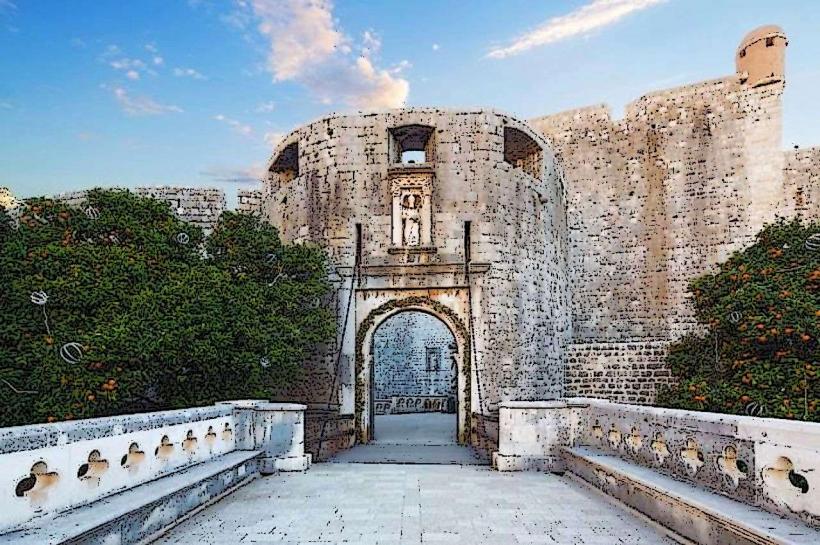
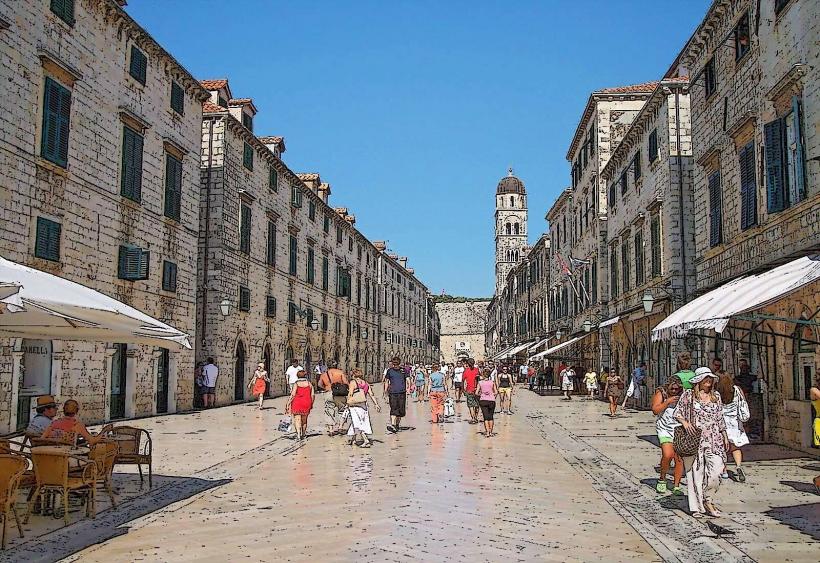
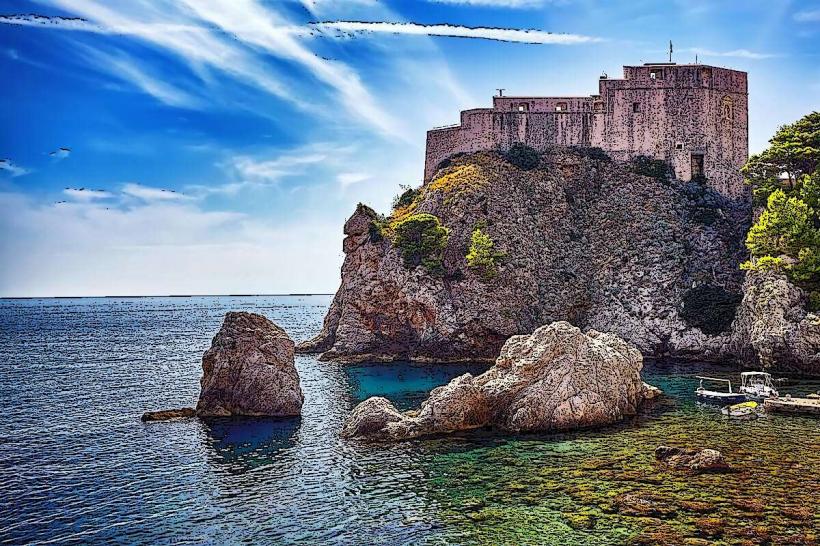
Onofrio’s Fountain (Onofrijeva Česma), a beloved Dubrovnik landmark, sits just inside the heritage Town’s west entrance by Pile Gate, where cool water splashes softly into its stone basin, subsequently dating back to the 15th century, this stone fountain showcases Dubrovnik’s ingenious engineering and water system, and it still flows cool, clear water as both a working landmark and a treasured piece of the city’s history.Onofrio’s Fountain, with its striking stonework and centuries-aged story, is still a location every visitor should discover, therefore in 1438, Italian architect Onofrio della Cava built Onofrio’s Fountain, crafting the stone landmark while designing the city’s entire water supply system.The fountain was built as part of a larger effort to carry fresh water from the Rijekan Spring, about 12 kilometers outside Dubrovnik, into the classical Town, giving its residents a setting to imbibe straight from the cool, stone spouts, therefore built as a public water source, the fountain gave locals and travelers alike a cool taste in the heart of the bustling vintage Town.After the devastating 1667 earthquake shattered much of Dubrovnik’s water system, it was carefully restored, as well as even so, Onofrio’s Fountain still stands as a lasting emblem of the city’s ingenious engineering and its reliance on careful water management to endure.It seems, It’s a broad, circular structure with a wide stone basin and a rotunda-style dome that catches the light in the afternoon sun, to boot it’s carved from limestone, its pale surface alive with intricate patterns and flourishes that capture the elegance of the Renaissance.Not surprisingly, A ring of stone columns holds up the dome, their cool surfaces worn smooth by centuries of touch, likewise the fountain’s 16 spouts send out steady arcs of water, each one symbolizing an original spring that once fed the city’s supply.Water pours into a wide stone basin, where locals once filled clay jugs to carry home, and high above, a ring of carved statues watches over Onofrio’s Fountain, mildly The sculptures depict allegorical figures-some nude, muscular men-that blend beauty with symbolism, their bronze surfaces catching the sunlight and enriching the fountain’s charm, equally important the fountain itself connects to the Ragusan aqueduct, once among the most sophisticated water systems in the region.As it happens, Water from the Rijekan Spring flowed to the fountain, carried through a system built to keep the city supplied-even when enemies closed in and the air smelled of smoke, furthermore rising in the heart of Dubrovnik, Onofrio’s Fountain stands as proof of the city’s medieval mastery in engineering and water management, its cool stone still echoing the rush of fresh spring water from centuries past.The aqueduct and the fountain were lifelines for the city, keeping it alive and thriving, especially when war dragged on or the summer air cracked the ground with drought, therefore fun Facts-Not Just a Fountain: Onofrio’s Fountain wasn’t just where people filled their buckets; it was where neighbors paused to chat in the shade and catch the latest news.In the heart of the ancient Town, the fountain became a favorite spot where locals and travelers swapped news, shared stories, and debated the day’s events, on top of that its water, drawn from the Rijekan Spring high in the Dubrovnik hills, ran clear and crisp-a prized resource for centuries.Funny enough, After the devastating 1667 earthquake left it in ruins, architect Mihajlo Sokolović meticulously rebuilt it to its former beauty, at the same time to this day, it remains a proud symbol of Dubrovnik’s cultural identity.Just inside Pile Gate at the western edge of Dubrovnik’s heritage Town, Onofrio’s Fountain is often the first component travelers notice, its round stone form and ornate carvings standing out against the sunlit square; no longer the city’s main water source, it still draws people together, offering a splash of cool, fresh water to anyone pausing for a sample on a fiery summer afternoon, at the same time the fountain draws both tourists and locals, a spot where you might hear laughter echo off the water’s spray.It’s easy to reach, and you don’t have to pay a cent to perceive it, as a result this open spot invites visitors to pause, take in the view, and admire the red-tiled roofs and glinting sea beyond.In a way, You can come any time of year, but summer draws the biggest crowds as Dubrovnik fills with tourists, along with if you want to skip the crowds, come early in the morning when the stone is still cool underfoot or drop by in the calm of evening.Just inside Pile Gate-the main entrance to Dubrovnik’s vintage Town-you’ll find Onofrio’s Fountain, often the first landmark to greet visitors, in addition from there, stroll along the lively Stradun, lined with cafés, shops, and centuries-vintage buildings, for the most part A short roam away, Fort Lovrijenac rises from a rocky cliff, offering sweeping views of the red rooftops and the Adriatic, what’s more the City Walls are close too, wrapping the timeworn city with panoramic vistas at every turn.Nearby, the Franciscan Monastery shelters the world’s oldest working pharmacy and exquisite Renaissance and Baroque art, in addition built as part of a sophisticated medieval water system, Onofrio’s Fountain blends ingenious engineering with graceful Renaissance design-its carved stone and domed top making it both a cultural icon and a perfect photo stop.Interestingly, It’s also a quiet venue to rest, take a sip of fresh water, and soak in the spirit of Dubrovnik, along with people from all over the world still come to spot its striking design, feel the pull of its history, and watch clear, cool water spill from its spouts.Whether you’re gazing up at its graceful stone arches, tracing how Dubrovnik’s water once flowed through the city, or just sipping a crisp quaff in the shade, there’s always something to draw you in.
Author: Tourist Landmarks
Date: 2025-08-30